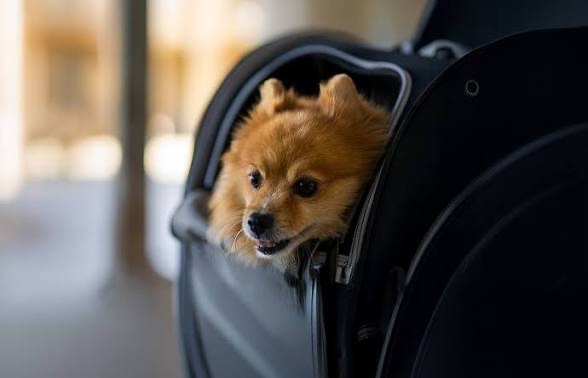
At the boarding gate, a carrier that is only a few centimetres too large can derail months of planning. Travellers sometimes discover that after buying their own ticket, assuming a place for the cat or dog comes with it. It does not. Flying with a pet can be manageable, but the details—carrier dimensions, health papers and an airline’s limited animal quota—decide whether the journey goes ahead.
This guide covers what to verify before paying, how to prepare documents and equipment, and how to reduce last-minute surprises. Rules vary by airline, aircraft, route and destination, so another traveller’s successful trip is useful context, not a guarantee.
Check airline and destination rules first
Short answer: confirm that your pet is accepted on every flight segment and that the destination allows entry under your circumstances before you book. Check directly with the airline and the relevant government authority. A nonstop flight can have different requirements from a trip involving a stop, a change of aircraft or a second carrier.
Cabin, hold or cargo service?
Many airlines allow some small pets in the cabin in an approved carrier. Others may travel in a designated hold or through a separate cargo service. Weight limits, the number of animals allowed in the cabin, accepted species and breed restrictions differ by carrier. Some airlines also suspend hold transport on certain routes or during extreme temperatures.
Ask about the whole itinerary, not only the first flight. A ticket combining two airlines may require approval from both operating carriers, and a pet reservation may not transfer automatically when you change planes. Honestly, calling before purchase and asking the airline to add the pet to the booking is the safest approach. Keep written confirmation or a service reference number.
Check entry rules, quarantine requirements and vaccination conditions for the destination, as well as any transit country if you leave the international transit area. The International Air Transport Association’s pet travel guidance offers general information, but it does not replace an airline’s current policy or government rules. If Madrid is on your itinerary, for example, start with the relevant country requirements and official guidance—not a destination guide—as the authority on pet-entry rules.
Prepare health documents on the right timeline
Short answer: prepare vaccination records, a health certificate and any import permit the destination requires, and check when each document must be issued. There is no universal checklist. Countries may require a particular rabies vaccination, a microchip or laboratory test, and some procedures take weeks or months.
Book the veterinary visit early
Arrange a veterinary appointment well in advance and ask the clinic to review the destination’s rules, not just perform a routine examination. A health certificate may need to be issued within a limited period before travel, while other routes require proof of rabies vaccination or a laboratory result. Deadlines and sequences vary, so do not assume that a certificate issued months ago will be valid on arrival.
Match the pet’s details on all documents to its microchip or identification record, including the number and dates. Carry paper copies as well as digital ones; a flat phone battery or poor connection should not hold up a document check. For international trips, ask whether documents need government endorsement, a particular form or translation.
A fictional veterinary expert puts the practical point this way: “Don’t leave import checks until the final week; some tests follow a schedule that cannot be rushed.” That is sensible advice, not a legal rule. The destination’s official veterinary or import authority is the place to confirm requirements. Use the trip planner to organise the other details of your journey.
Choose and measure the carrier or crate
Short answer: use an airline-approved carrier that lets the animal stand, turn around and lie down comfortably. Do not buy a product solely because its label says “airline friendly.” Measure it yourself and compare it with the operating airline’s stated limits; dimensions can differ by carrier and aircraft.
Dimensions, construction and ventilation
A soft-sided carrier may fit more easily beneath a cabin seat, but it still needs secure closures, ventilation and enough structure to protect the animal. Hold transport generally calls for a hard-sided crate with a secure door and suitable ventilation. Follow the airline’s exact specifications rather than a rule of thumb from a forum.
- Measure your pet standing and compare those measurements with the airline’s carrier guidance.
- Check locks, handles and a leak-resistant base; remove anything that could snag inside the crate.
- Attach clear identification and contact details, and add flight information if the airline recommends it.
- Use a familiar absorbent liner. Avoid hard toys or bowls that could tip over.
Introduce the carrier at home days or weeks ahead, not on departure morning. Leave it open, offer treats near it, and gradually feed the pet inside. Travellers often find that familiarity makes the carrier feel less like a sudden trip to the vet. The travel packing tool can remind you about supplies, but it cannot replace measuring the carrier against the airline’s specific rules.
Book and confirm before you pay
Short answer: get explicit approval for the pet before completing the booking, then reconfirm with the airline before departure. The number of animal spaces on a flight is often limited. Your seat may be available even when there is no cabin or hold space left for your pet.
Questions worth asking directly
A booking form’s “travelling with a pet” option is not always enough. Contact the carrier and ask which service applies, what the combined weight and carrier dimensions may be, how fees are paid and where you must check in. Ask what happens at connections, whether the animal stays in its carrier throughout, and how the airline handles delays or weather restrictions.
- Is the pet’s space confirmed on every flight segment?
- What are the exact carrier dimensions and weight limits for this aircraft?
- Which papers will be checked at departure and on arrival?
- What happens if the aircraft changes or the flight is delayed?
Keep the pet-service reference number and note when you spoke with the airline. Check again a day or two before departure, particularly if the schedule has changed. If you are weighing up options, use the destination comparison tool to organise your research, then call your selected airline to confirm current details; policies can change and comparison information may not be updated in real time.
Prepare for travel day and complete your pre-flight checks
Short answer: arrive with extra time, carry the approved carrier and documents, and do not give a sedative without veterinary advice. Extra time helps with check-in and inspection, but follow the airport and airline’s stated arrival guidance rather than assuming one timing suits every route.
From home to the boarding gate
Offer a small meal at an appropriate time before leaving, and provide water in line with veterinary advice and the length of the journey. Avoid changing food or routine on travel day. Do not give sedatives on your own initiative: they can affect breathing or balance, and some airlines will refuse an animal that appears sedated.
Keep documents in an easy-to-reach folder and stay calm at security. Staff may ask you to remove the pet from its carrier for screening, so follow airport instructions and use a suitable harness if your veterinarian recommends one. If your animal is travelling in the hold, confirm where and when to hand it over and how the airline handles loading.
In my view, the biggest mistake is assuming “we’ll sort it out at the airport.” A carrier that misses the measurement limit or a missing document can lead to refusal even when the pet is healthy and calm. Be candid about the animal’s breed and health. Some pets, including flat-faced breeds, may face additional restrictions because of breathing risks.
Pre-flight checklist
Flying with a pet requires three separate checks: airline acceptance, destination entry requirements and readiness of the carrier and paperwork. Start early, request written answers where possible and review the details again before departure. These steps cannot prevent every disruption, but they reduce avoidable ones.
Before buying your ticket, confirm a place for the pet on every segment, check the carrier’s measurements and make sure the documents will remain valid through arrival. Then discuss your animal’s individual needs with a veterinarian. What has been the most challenging part of travelling with your pet?