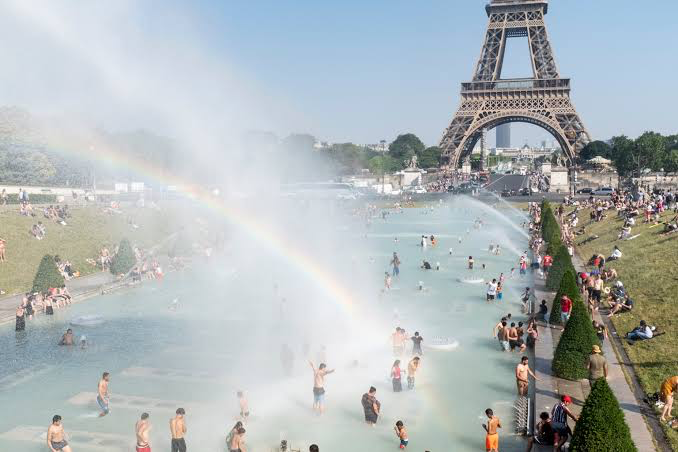
Do you imagine yourself wandering through the historic alleys of Rome or relaxing in the cafes of Paris, only to have the scorching sun ruin those dreamy moments? Climate forecasts suggest that summer in Europe in 2026 may bring record-breaking temperatures, requiring the smart Arab traveler to change their usual strategies. Don't worry, this heat won't stop you from having an exceptional vacation if you are properly prepared. In this comprehensive guide, we will reveal the secrets to enjoying your trip and provide you with essential travel tips that will make your holiday smooth and comfortable, no matter how high the temperatures climb.
Why do we expect high temperatures in Europe in summer 2026?
The entire world is witnessing rapid climate change, and Europe is no exception. Over the past few years, the old continent has experienced consecutive heatwaves that have impacted traditional summer tourism. According to global meteorological reports, this pattern is expected to continue in the summer of 2026, as Mediterranean basin countries and Central Europe are affected by hot air masses coming from the south.
For a traveler from the Arab Gulf, the hot weather might seem familiar, but the challenge in Europe lies in the infrastructure; many historic buildings, vintage hotels, and public transport networks are not equipped with powerful central air conditioning systems like those we are accustomed to. Therefore, advance planning is your magic key to a comfortable vacation.
Top travel tips to avoid the European summer fatigue
To ensure a hassle-free trip, we have compiled the most practical tips you should keep in mind when preparing for your journey:
1. Smart planning for outings (adopting the siesta culture)
When temperatures are at their peak between 12 PM and 4 PM, avoid strenuous outdoor activities. Do as the locals do in Southern Europe:
- Wake up early: Start your sightseeing tours and visit major landmarks early in the morning (between 8 AM and 11 AM) to avoid crowds and the heat of the sun.
- Siesta time: Dedicate the afternoon to resting at the hotel, enjoying a long lunch in an air-conditioned restaurant, or visiting cool, indoor museums.
- Evening outings: Resume your activity after 5 PM when the weather becomes milder and the squares come to life.
2. Full verification of air conditioning (AC) availability
This point is non-negotiable. Do not assume that a four or five-star hotel in Europe automatically has air conditioning.
- Read the description carefully: Specifically look for the term "Air Conditioning" rather than just "Cooling" or a fan.
- Read reviews: Check feedback from previous guests to ensure the AC works efficiently and isn't just a central system that gets turned off at certain times of the day.
- Rental cars and trains: Ensure the car you are renting is air-conditioned, and when booking trains, opt for first class or modern trains that guarantee good cooling.
3. Choose destinations wisely: Cool alternatives
If you want to escape the heat completely, make the summer of 2026 an opportunity to explore new areas away from crowded and hot traditional destinations like Italy and Southern Spain. Here are some options:
European destinations we recommend for summer 2026
Changing your compass toward the north or the highlands will guarantee pleasant weather (between 15 and 25 degrees Celsius) and breathtaking landscapes.
Lofoten Islands, Norway
Norway is considered one of the most beautiful summer destinations. The Lofoten Islands offer a stunning mix of towering mountains meeting clear seawater and charming, colorful villages. Summer temperatures there rarely exceed 20 degrees Celsius.
- Approximate cost: Norway is an expensive destination; expect to spend about 150-250 Euros per day per person, including accommodation and food.
Edinburgh and the Highlands, Scotland
If you are a fan of history and green nature, Scotland is the perfect sanctuary. The average summer temperature is 19 degrees Celsius. You can wander around Edinburgh Castle, then set off on a road trip through the Scottish Highlands, where lakes, mist, and charming vibes await.
Switzerland and the Alps
The higher you are above sea level, the lower the temperatures. Destinations like "Zermatt" or "Interlaken" in Switzerland offer fantastic, cool summer vibes. You can enjoy cable car rides, mountain hiking, and strolling by blue glacial lakes.
Asturias, Spain
If you are determined to visit Spain, head north. Spain's northern coast (known as Green Spain), such as Asturias and San Sebastian, enjoys mild summer weather (around 23 degrees Celsius) and top-tier culinary culture, far from the scorching heat of Andalusia.
What to pack to face high temperatures?
Choosing the right clothing and equipment will make a big difference in your level of comfort:
- Natural fabrics: Wear loose clothing made of linen or pure cotton, and avoid polyester and synthetic fabrics that trap heat.
- Comfortable and breathable walking shoes: European streets are full of cobblestones, so you will need comfortable, summer-specific sneakers.
- Insulated water bottle: Water from most public fountains in cities like Rome and in
- Small handheld or electronic fan: USB-rechargeable fans have become essentials for every summer traveler.
- Sun protection: A wide-brimmed hat, high-quality sunglasses, and sunscreen (SPF 50).
Travel budget for summer 2026 and how to avoid exploitation
With increasing demand for tourist destinations, prices rise significantly in the summer. Here is how to manage your budget:
- Early booking: Book your flights and hotels 4 to 6 months before your travel date. European low-cost airlines (like Ryanair or EasyJet) raise their prices crazily at the last minute.
- Tourist attraction tickets: Book entry tickets for museums and major landmarks online in advance (skip-the-line tickets) to avoid standing for hours under the scorching sun.
- Tourist restaurants: Avoid eating at restaurants located directly in major squares (like St. Mark's Square in Venice), where prices are overpriced. Walk a few side streets to find local restaurants with better quality and prices that are 30% lower.
Mobile apps that will save your vacation
Do not travel in the summer of 2026 without downloading these essential apps:
1. AccuWeather or Apple Weather: To monitor temperatures accurately and plan your day.
2. Waidy WOW or Closest Water Fountain: Apps that guide you to the nearest free, potable water fountains in major European cities.
3. TheFork: To book air-conditioned restaurants in advance and get exclusive discounts of up to 50% in some countries.
Conclusion
Do not let news of high temperatures discourage you from planning your dream vacation in Europe in the summer of 2026. The secret lies in flexibility, choosing the right destinations, and preparing well for your itinerary. Whether you choose to relax in the cool Swiss mountains, explore the pristine nature of Norway, or even walk carefully and intelligently through the bright streets of Paris, following these tips will ensure a safe, comfortable, and memory-filled vacation. Start planning now, and book your tickets to be ready for the most amazing summer adventure!