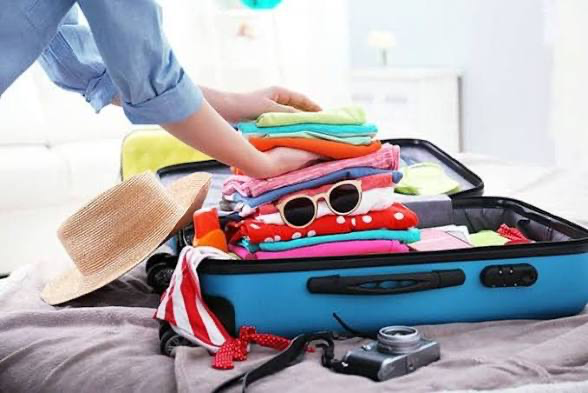
The dream trip always starts with a racing heart and an imagination that arrives at your destination before you do, but it is soon met with the reality of an empty suitcase waiting to be filled. The sight of items scattered on the bed and the thought of cramming them into a limited space can turn travel excitement into real stress and anxiety. Do not let this task spoil your joy; with a little advance planning, packing your luggage can become a pleasure in itself, and a ticket to a hassle-free and light-weight vacation.
Why is smart packing the key to a successful trip?
Some believe that traveling requires taking the entire wardrobe "just in case," but the truth is that the smart traveler is one who travels light. Packing in an organized way is not just about arranging items; it is a strategy that saves you a lot of time, money, and effort. Excess weight at airports can cost you heavy fees, often ranging from 50 to 200 US dollars per bag depending on the airline. Furthermore, dragging a heavy suitcase through old European train stations or crowded city streets will drain the energy you should be saving to explore your destination.
The Golden Rules Before You Start Packing
Before you open your suitcase and start throwing items in, there are foundational steps to ensure you don't forget anything important and avoid carrying what you don't need.
1. Check the destination's weather
Do not rely on guesses about the weather in your intended country. A week before your trip, check reliable weather apps to determine temperatures and chances of rain. This will help you directly in determining the type of travel clothes you need, whether they are heavy winter coats or light cotton clothes.
2. Know the airline's baggage policy
Rules vary from one airline to another, especially with the rise of budget airlines. Check the dimensions and weight allowance for checked baggage (usually 23 kg or 30 kg) and carry-on bags (usually 7 kg). Avoid unpleasant surprises in front of the weigh-in counter at the airport.
3. Create a checklist
Relying on memory is the first mistake in packing. Use your phone's notes app or a pen and paper to list everything you need, divided into categories (clothes, electronics, toiletries, medications, documents). Cross out every item you actually pack.
The Art of Choosing Travel Clothes: Elegance and Lightness
Choosing clothes is the biggest challenge for any traveler. How do you ensure a variety of looks for souvenir photos without having to carry your entire wardrobe? The answer lies in smart selection.
Capsule Wardrobe Strategy
This strategy relies on choosing travel clothing pieces in neutral colors (such as black, white, beige, navy) that can be easily coordinated. For example, 3 shirts and 2 matching pants can produce 6 different looks. Add one or two pieces in vibrant colors (a scarf or a light jacket) to add a lively touch to your appearance.
The Famous 5-4-3-2-1 Rule
If your trip lasts for a week, one of the best packing tips is to follow this simple rule to avoid overpacking:
- 5 tops (shirts or t-shirts)
- 4 bottoms (pants or skirts)
- 3 pairs of shoes (comfortable walking shoes, dressy shoes for dinner, and light shoes/sandals)
- 2 pieces of swimwear or gym clothes
- 1 versatile jacket or coat
Choosing Smart Fabrics
Avoid fabrics that wrinkle quickly like 100% pure linen, and replace them with blended fabrics, treated cotton, or light wool. These fabrics resist wrinkles, are breathable, and dry quickly if you need to wash them while traveling.
The Best Packing Tips to Save Space and Avoid Chaos
Now that you have chosen what to take, we reach the execution stage. How you place items inside the bag makes a huge difference in maximizing available space.
The Rolling Method
Instead of folding clothes the traditional way we use for shelves, roll them into tight cylinders. This is one of the most important packing tips recommended by experts and flight attendants, as it prevents wrinkles, saves immense space, and makes seeing colors and pieces easier when you open the suitcase.
The Magic of Packing Cubes
Packing cubes are a great investment for any traveler. These small fabric bags allow you to divide your items smartly. You can dedicate one cube for shirts, another for pants, and a third for underwear. You won't have to turn your suitcase contents upside down looking for a charger or socks, as everything is organized in its own cube.
Utilizing Dead Space
Every centimeter in your suitcase has value. Use the spaces inside shoes to place socks or perfume bottles (after putting them in a plastic bag to protect them). Fill the gaps between packing cubes with small pieces of clothing, and place belts laid out along the inner edges of the suitcase instead of rolling them.
The Cabin Bag: The First Line of Defense
You should treat the carry-on bag you take into the plane cabin as a "survival kit." In case your checked luggage is delayed or lost (which can happen), your carry-on should contain the essentials to keep you comfortable for a day or two. Make sure to put the following in it:
- All official documents, passports, and flight tickets.
- Prescription medications (with a prescription if possible to avoid customs issues).
- Valuable electronics, laptops, and cameras.
- A mobile phone charger and a power bank - as the latter is prohibited in checked luggage.
- One set of spare travel clothes and underwear.
- Essential personal care tools (in sizes not exceeding 100ml per container, placed in a transparent bag to pass security checks smoothly).
Golden Tips for the Saudi and Arab Traveler
As an Arab and Saudi traveler, there are some special needs that are preferred to be added when packing to ensure a comfortable trip that suits your lifestyle:
- **Portable Travel Bidet:** One of the most important tools that provides great mental comfort when traveling to countries that do not use bidets in toilets. Available in rechargeable electronic types or simple manual ones that attach to water bottles.
- **Small Prayer Mat and Pocket Quran:** You can find prayer mats made of very light, foldable fabrics the size of a palm; they take up no space and are great companions while traveling.
- **Universal Adapter:** Electrical plugs differ across continents, and owning a multi-port universal adapter ensures you can charge your devices in any hotel around the world.
- **Basic Medications and Painkillers:** Take a small box containing headache relievers, stomach pain medication, and bandages, as some European countries prohibit dispensing even the simplest medications without expensive prescriptions.
Common Mistakes to Avoid When Packing
To master the skill of packing, you must avoid these mistakes that many fall into:
1. **Packing for "What if":** Don't take items you will only use in rare, imaginary scenarios. If you suddenly need an umbrella, you can buy a cheap one at your destination.
2. **Taking Family-Sized Shampoo Bottles:** Forgo large bottles and use small, refillable travel containers, or rely on what the hotel provides.
3. **Leaving Packing for the Last Night:** Rushing inevitably leads to forgetting important things and taking unnecessary ones. Start packing your suitcase at least 3 days before the trip date.
Conclusion: Set Off Lightly Toward Your Destination
In the end, mastering the art of packing is not just a pre-travel routine, but a skill that gives you freedom and momentum. By applying smart packing tips, choosing coordinating travel clothes, and utilizing every space efficiently, you will bid farewell to back pain caused by dragging heavy suitcases and annoying overweight fees. Always remember that the most beautiful memories are not made by what we carry with us, but by what we experience at our destinations. Pack your suitcase smartly, carry your passport, and set off to discover the world with a smile and light steps!