Japan or Thailand: Travel, Costs and Tips Compared 2026
Compare Japan and Thailand for daily costs, safety, food, transport, visas and the best seasons to visit. Find the right trip for your budget and travel style with this practical guide.
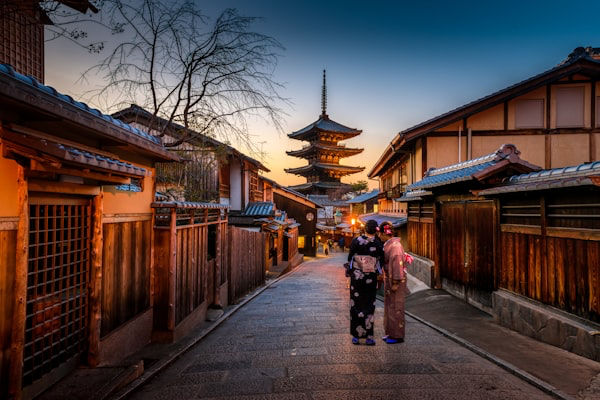
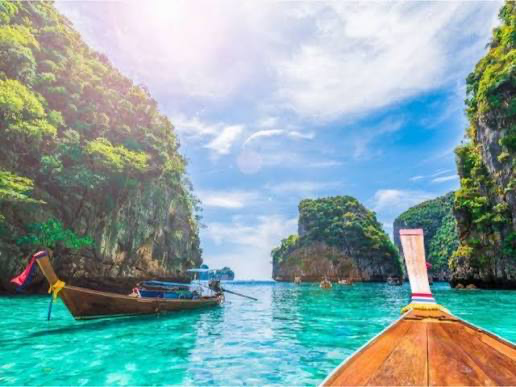
Japan and Thailand offer two very different Asian journeys: efficient cities, temples and fast trains in one; tropical beaches, street markets and relaxed island life in the other. Which destination suits your budget and travel style? The daily cost gap is significant, but price is only part of the decision. Here is a practical comparison to help you choose.
Detailed Category Comparison
Budget
Winner: ThailandThailand is the clear budget winner, with a reference cost of about $80 per day compared with roughly $180 in Japan. Actual spending varies by city, season and comfort level. Local meals and budget stays can stretch a trip, though island resorts and tours can quickly raise the bill.
Attractions
TieIt depends on what you want to see. Japan combines Tokyo, Kyoto and Nara with castles, gardens and hot springs; Thailand offers historic Bangkok, Chiang Mai temples and beaches such as Krabi and Phuket. Japan has the edge for varied urban and cultural experiences, while Thailand suits beach-and-nature trips. Crowds can be tiring in both.
Food
TieBoth cuisines are highlights, but in different ways. Japan excels at sushi, ramen and regional specialties, though upscale meals can be costly and popular restaurants may need reservations. Thailand offers excellent street food such as pad thai and tom yum, often for less, but spicy dishes are not for everyone. Thailand wins on affordable everyday eating; Japan shines in precision and variety.
Transport
Winner: JapanJapan takes this category for its extensive rail network, including the Shinkansen, and reliable urban transit. Planning helps save time, although long-distance journeys can be expensive and major stations may feel confusing at first. Thailand has buses, trains and domestic flights, but Bangkok traffic can make overland travel slower.
Family Friendly
TieBoth can work well for families with thoughtful planning. Japan is orderly and clean, with parks, museums and theme parks, but crowds, walking distances and transport costs can tire children. Thailand offers beaches, resorts and family activities at a friendlier price, although heat, humidity and island transfers need consideration. The better choice depends on the children’s ages and needs.
Honeymoon
TieJapan suits couples seeking a cultural city break, Kyoto’s quieter streets, hot springs and memorable dining, but it costs more and popular-season stays book early. Thailand is ideal for beaches, resorts and boat trips at a lower cost, although popular islands can be busy during peak season. Choose between cultural romance and tropical relaxation.
Safety
Winner: JapanThe reference data rates Japan as very safe and Thailand as safe. Neither rating means risk-free travel: protect valuables, follow weather and emergency guidance, and choose reliable transport. In Thailand, take particular care on roads and with motorbike rentals; in Japan, learn basic earthquake procedures and follow official instructions.
Visa
TieThe supplied information says a visa is required for both destinations, so there is no universal winner. Requirements depend on nationality, trip length and purpose, and entry rules can change. Check the relevant embassy or official government source before booking non-refundable travel; do not assume another traveler’s visa rules apply to you.
Japan
Choose Japan if you want: - Well-organized cities and varied cultural sights such as Tokyo and Kyoto. - Fast intercity travel by rail. - Japanese cuisine and cherry blossom or autumn-leaf seasons. - A destination rated very safe, and you can plan around a reference budget of about $180 per day.
Thailand
Choose Thailand if you want: - Lower daily spending, with a reference estimate of about $80. - Beaches, islands and tropical scenery alongside temples and markets. - Varied street food and budget accommodation. - To travel from November to February, while allowing for heat, humidity and busy hotspots.
Tips for Choosing Between the Two
- 1Compare accommodation, transport and meals together, not just hotel prices; daily estimates change with season and travel style.
- 2For Japan, consider March to May for cherry blossoms or September to November for autumn colors, and book early for popular periods.
- 3Plan Thailand between November and February for generally drier, milder conditions, and check local forecasts before arranging island transfers.
- 4Check visa and passport requirements through an official government source for your nationality, and recheck before departure because rules can change.
- 5Group your itinerary by region instead of moving every day: limit hotel changes in Japan and allow enough transfer time between Bangkok and Thai islands.
FAQ
Turn inspiration into a trip
Don't just read — build a real travel plan based on what you discovered
Plan Your Trip Now
Detailed AI-powered daily itinerary
Related to Japan & Thailand
Last updated: